
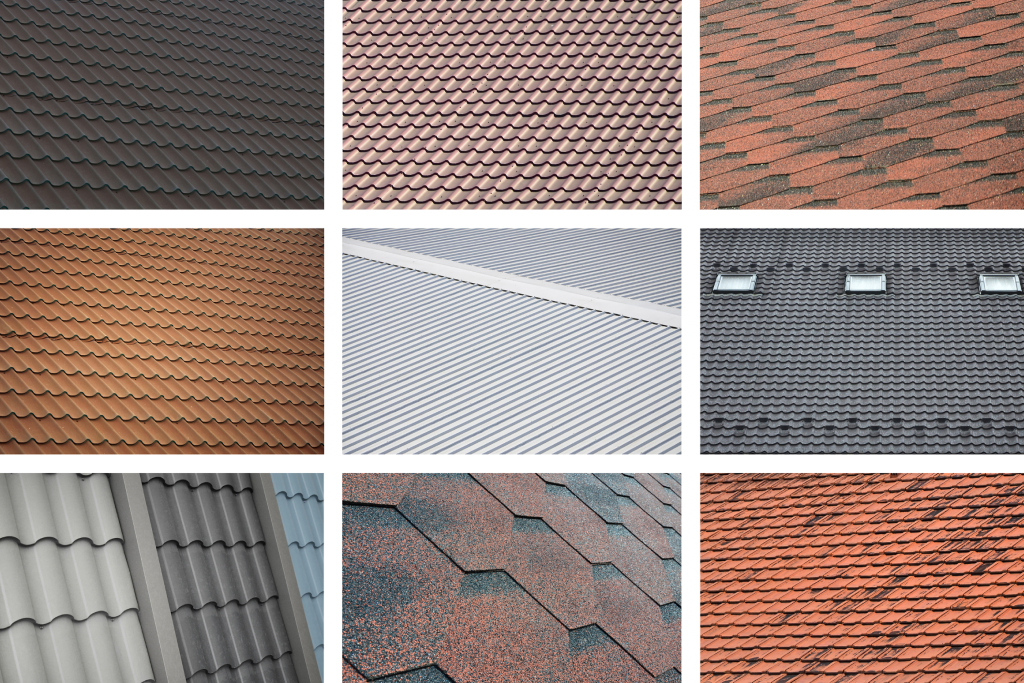
Assess Your Budget and Long-Term Investment Goals
The initial cost of materials represents only part of your total investment. While asphalt shingles may appear economical at $3.50 to $5.50 per square foot installed, they typically require replacement every 20 to 25 years. Metal options cost $7 to $12 per square foot but can last 50 years or more, meaning fewer replacements over your home’s lifetime. Premium materials like slate or tile range from $15 to $30 per square foot yet deliver 75 to 100 years of service with minimal maintenance.
Calculate the true cost by dividing total installation expense by expected lifespan. A $15,000 asphalt roof lasting 20 years costs $750 annually, while a $35,000 metal roof over 50 years costs $700 per year. Factor in maintenance expenses, energy savings from reflective materials, and potential insurance discounts for impact-resistant products. If you plan to sell within 10 years, prioritize materials that boost curb appeal and offer strong warranties transferable to buyers. Homeowners staying long-term benefit more from durable options that eliminate multiple replacement cycles.
Local financing options through contractors or home improvement loans can spread costs across manageable monthly payments. Insurance claims from storm damage may cover partial or full replacement depending on your policy and the extent of destruction. Request itemized estimates comparing material grades, labor rates, disposal fees, and warranty coverage to understand where your money goes. This transparency helps identify areas where upgrading materials adds value versus where standard options suffice.
Evaluate Climate Compatibility and Weather Resistance
Indiana’s climate presents specific challenges that determine which materials perform reliably. Summers bring high humidity and temperatures reaching the upper 80s, causing thermal expansion and contraction that stresses roofing components. Winter freezes create ice dams along eaves when heat escapes through inadequate insulation, melting snow that refreezes and forces water under shingles. Spring storms deliver heavy rainfall and occasional hail, requiring impact-resistant surfaces that shed moisture quickly.
Asphalt shingles rated for high wind speeds and impact resistance suit most local conditions when paired with proper attic ventilation. Metal standing seam systems excel in shedding snow and resisting wind uplift, making them ideal for homes with lower roof pitches or mature trees overhead. Slate and tile naturally resist freeze-thaw damage when installed with appropriate underlayment that allows minor movement during temperature swings. Wood shingles struggle in humid climates unless treated regularly, as moisture promotes moss growth and accelerates decay.
Review manufacturer specifications for wind ratings, typically ranging from 60 to 130 miles per hour, and impact ratings from Class 1 to Class 4. Class 4 products withstand two-inch hail strikes and often qualify for insurance discounts. Consider how your roof’s orientation affects sun exposure, as south-facing slopes endure more UV degradation than north-facing sections. Homes surrounded by trees accumulate organic debris that traps moisture, favoring materials like metal that resist algae and moss. Proper installation techniques including ice and water barriers along eaves and valleys provide additional protection regardless of material choice.
Match Material Selection to Architectural Style
Your home’s design influences which materials enhance rather than detract from its appearance. Colonial and Cape Cod styles traditionally feature asphalt or wood shingles in neutral tones like charcoal, weathered wood, or slate gray that complement brick or vinyl siding. Victorian homes often showcase patterned slate in multiple colors that highlight decorative trim and turrets. Ranch and mid-century modern designs pair well with low-profile metal panels in earth tones or bold colors that emphasize horizontal lines.
Craftsman bungalows benefit from thicker architectural shingles or wood shakes that echo the substantial, handcrafted aesthetic of exposed rafters and stone accents. Mediterranean and Spanish revival properties demand clay or concrete tiles in terra cotta or mission red hues that honor historical authenticity. Contemporary homes allow more flexibility, accommodating sleek standing seam metal, modern concrete tiles, or even green roofing systems that integrate sustainability with minimalist design.
Neighborhood character and homeowners association guidelines may restrict material types, colors, or profiles. Before finalizing selections, verify any covenants that dictate acceptable options to avoid costly reinstallation. Color selection should account for fixed elements like brick, stone, and trim that cannot easily change. Samples viewed in direct sunlight reveal true tones since colors appear different under showroom lighting. Consider how different materials age, some developing attractive patinas while others fade or discolor over time. The right material integrates seamlessly with your home’s proportions, detailing, and surrounding landscape.
Consider Structural Requirements and Weight Capacity
Not all homes can support every material type without modifications. Asphalt shingles weigh approximately 2 to 4 pounds per square foot, placing minimal stress on standard residential framing. Metal systems add slightly more at 1.5 to 3 pounds per square foot depending on gauge and profile, remaining suitable for most structures. Concrete tiles weigh 8 to 12 pounds per square foot, while slate reaches 10 to 15 pounds, often exceeding the capacity of homes built before modern building codes.
An engineering assessment determines whether existing rafters, trusses, and load-bearing walls can handle heavier materials. Structural reinforcement involves adding supports or upgrading framing members, increasing project costs by several thousand dollars. Homes with previous roof layers still in place may already approach weight limits, requiring complete tear-off before installing new materials. Building codes typically prohibit more than two layers of asphalt shingles, and heavier materials always demand removal of old roofing.
Roof pitch also affects material suitability. Low slopes below 3:12 require specialized systems like standing seam metal or modified bitumen since water drains slowly and can penetrate overlapping shingles. Steep pitches above 9:12 complicate installation of heavy tiles or slate, increasing labor costs and safety requirements. Complex designs with multiple valleys, dormers, and skylights suit flexible materials like asphalt that cut and shape easily, while rigid tiles or panels create more waste and require custom flashing details. Discuss structural considerations early in planning to avoid discovering limitations after selecting materials.
Review Maintenance Needs and Lifespan Expectations
Different materials demand varying levels of ongoing care to maintain performance and appearance. Asphalt shingles require annual inspections to identify loose or damaged pieces, gutter cleaning to prevent water backup, and occasional moss or algae treatment in shaded areas. Metal roofs need periodic checks of fasteners and sealants, though the material itself resists deterioration and rarely requires repairs beyond fixing minor dents from hail or falling branches.
Wood shingles and shakes demand the most attention, including treatments every few years to prevent rot, splitting, and insect infestation. Regular removal of debris and organic matter prevents moisture accumulation that accelerates decay. Slate and tile require minimal maintenance aside from replacing individual broken pieces, though their weight can stress underlying structures if not properly supported. Synthetic alternatives to wood or slate mimic traditional aesthetics while eliminating most maintenance burdens.
Lifespan varies significantly based on material quality, installation precision, and environmental exposure. Basic three-tab asphalt shingles last 15 to 20 years in harsh conditions but may reach 25 years with proper care in moderate climates. Architectural asphalt shingles extend that range to 25 to 35 years. Metal systems deliver 40 to 70 years depending on coating quality and panel gauge. Slate and tile installations often outlast the homes they protect, functioning for a century or more when installed correctly.
Home Pro Windows, Roofing, Siding & Doors brings extensive experience helping Fort Wayne homeowners select materials that align with their maintenance preferences and performance expectations. Our team evaluates your home’s specific conditions including roof pitch, sun exposure, and surrounding vegetation to recommend options that deliver reliable protection without excessive upkeep. We install every system according to manufacturer standards and industry best practices, ensuring proper ventilation, flashing, and weatherproofing that maximize your chosen material’s lifespan. With detailed warranty coverage on both materials and workmanship, you gain long-term protection backed by a team committed to quality results. Whether you prioritize low maintenance, maximum durability, or a balance of cost and performance, we provide honest guidance tailored to your unique situation.